Alice in Wonderland as a Bedtime Audiobook: What Families Should Know
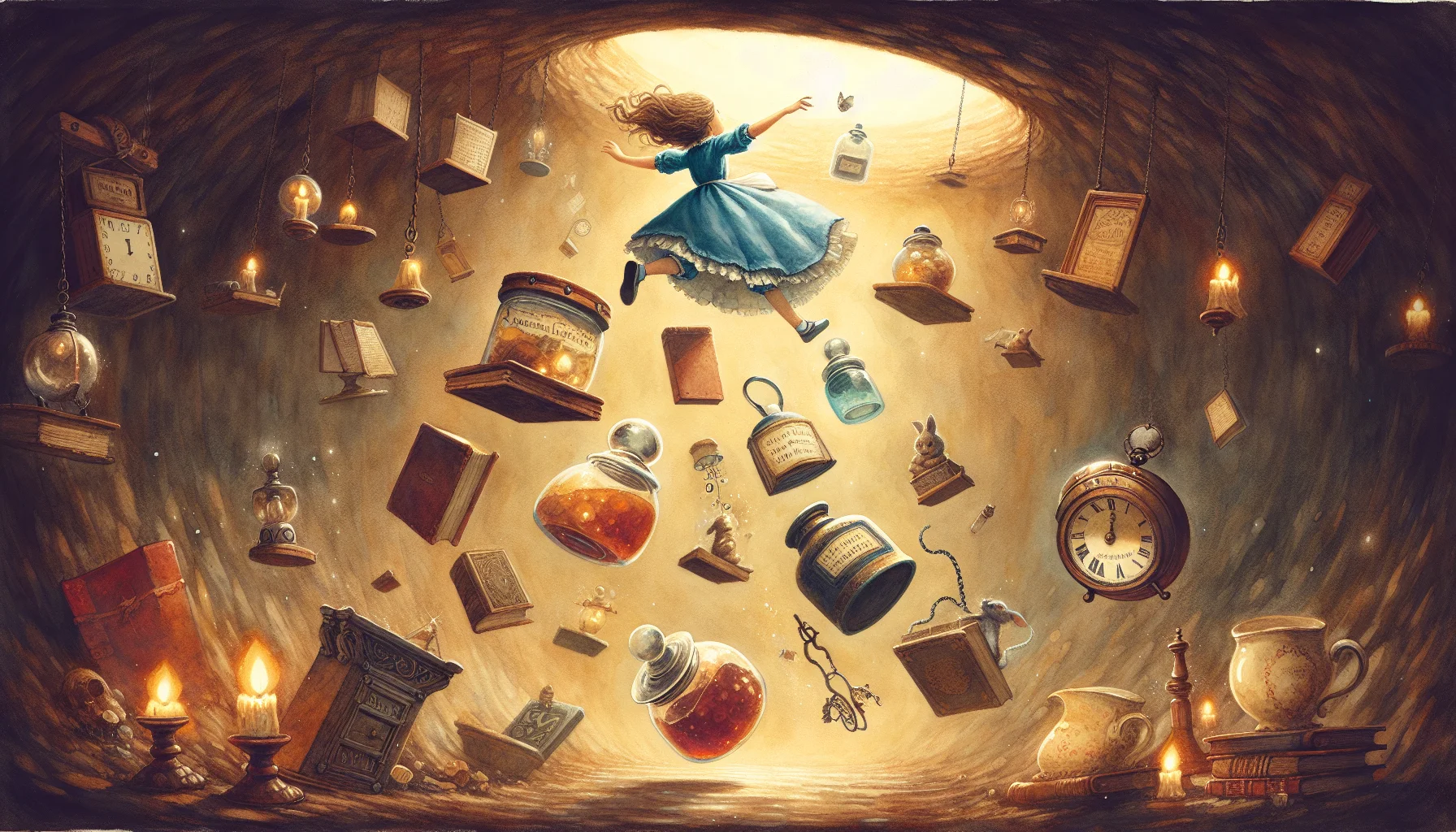
Most families come to Alice in Wonderland already carrying an idea of the story. Maybe it's the Disney film, maybe it's a picture book version from when the parents were young. The original Lewis Carroll text is a different animal entirely, and in the best possible way.
Carroll wrote it for a real child, and you can feel that. The jokes are aimed at a listener who is paying attention, not just watching. The tone is cheerful chaos, with a girl at the center who takes every absurd situation dead seriously. That combination is exactly what makes it work out loud.
It is one of the few classic novels that genuinely holds children's attention when read to them without cuts or simplification. The chapters are short, the pace is quick, and something new and strange happens in almost every scene.
What to expect
The original text runs about 45 minutes of audio across 12 chapters. That works out to one chapter per night for nearly two weeks, with each chapter landing somewhere between three and five minutes. Ages 6 through 10 are the sweet spot, though six-year-olds and ten-year-olds will take away very different things from the same chapter.
The tone is playful and strange, never frightening. The Queen of Hearts shouts "Off with their heads!" but Carroll keeps the threat comic rather than menacing. Younger children enjoy the chaos and the talking animals. Older children start catching the wordplay and the jokes Carroll buried in the logic. The story rewards both.
Why it works at bedtime
Short chapters with clear endings make it easy to stop at a natural break. Each chapter is essentially its own scene. Alice encounters something strange, navigates it with polite confusion, and moves on. There is momentum without cliffhangers, which is actually what you want for a child who needs to fall asleep.
The emotional register stays light throughout. Carroll doesn't build toward a big dramatic resolution the way later children's novels do. The story ends and Alice wakes up, and that low-stakes structure makes it easy to drift off during without feeling like you've missed something crucial.
The pacing of the prose also helps. Carroll writes in a rhythm that suits reading aloud. Sentences are varied, there's a lot of dialogue, and the narrator occasionally addresses the reader directly. A good narrator finds that playful voice quickly, and children pick up on it.
Recording it
Two minutes of voice recording is all we need to produce the full audiobook in your voice. You don't need any recording experience. Most people record on their phone in a quiet room and it works well.
Alice in Wonderland has a range of characters, from the anxious White Rabbit to the slow, sleepy Dormouse to the shouting Queen. A narrator doesn't need to do distinct voices for each one. Carroll's dialogue is clear enough that a single warm voice reading naturally will make the characters feel distinct. If you want to add a little variety, the Cheshire Cat and the Mad Hatter are the two that tend to invite it.
Grandparents often enjoy recording this one because they read it themselves as children. The familiar passages tend to come back while they're reading, which gives the recording a quality of genuine reconnection rather than performance.
A note on this version
Carroll's original is significantly funnier and stranger than most adaptations suggest. Many families who have seen the Disney film are surprised to find that the Cheshire Cat plays a much smaller role, that the Mad Hatter's tea party is extended and weirder, and that Alice spends more of the story annoyed and confused than frightened or awed.
The wordplay is sophisticated. The Mock Turtle's lessons in "Reeling and Writhing" instead of Reading and Writing, the puns on "porpoise" and "purpose", these land best with children around eight or older, but younger children don't need to catch them to enjoy the scene. They hear that something funny is happening even if they don't know exactly what.
Grandparents who remember the book often find their memory of it quite different from the actual text. That gap is part of what makes the recording meaningful. You're not just telling a story to a grandchild. You're discovering it again together.